Niece died from intense heat of burning charcoal during purported exorcism
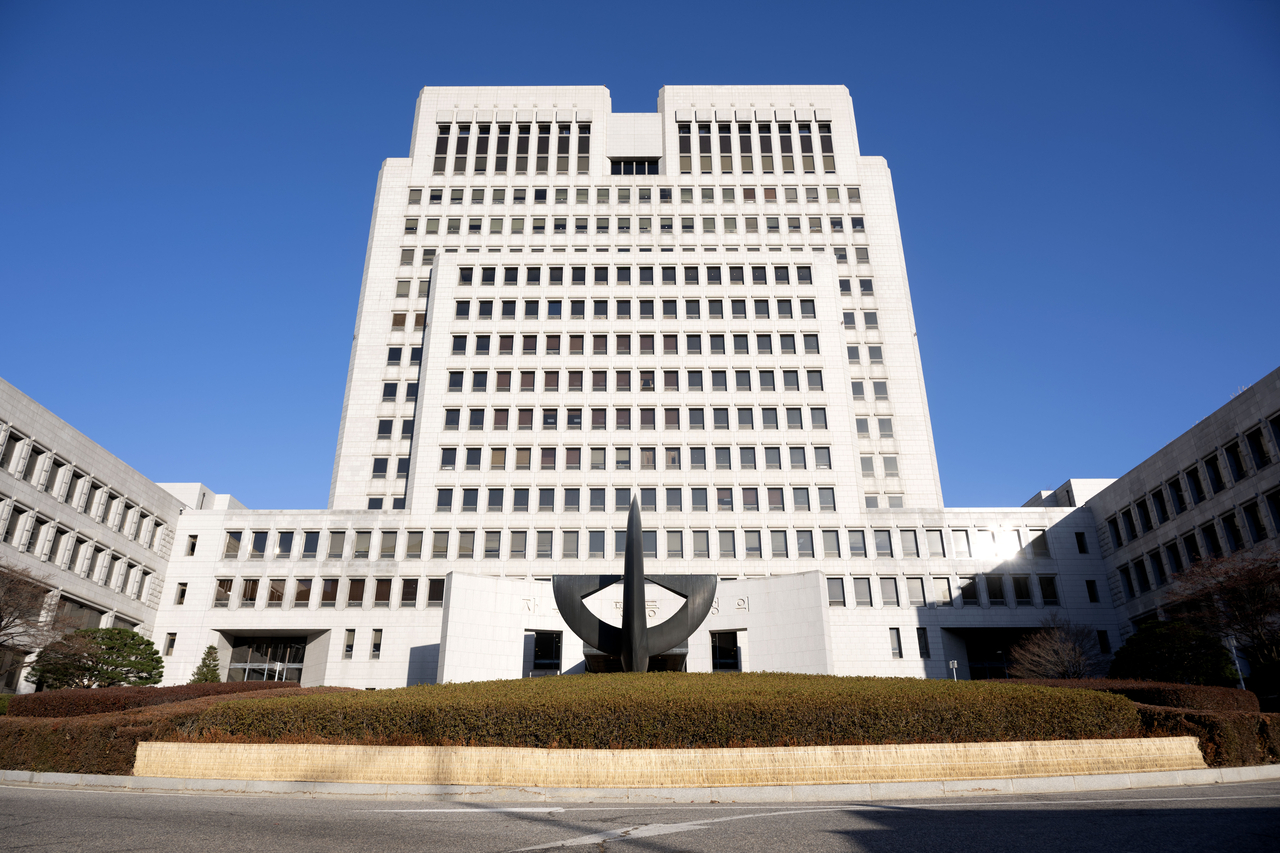
The Supreme Court overturned an appellate ruling that had sentenced an 81-year-old shaman to seven years in prison over her niece’s death, saying the possibility that the defendant intended to kill her should not have been ruled out.
The court overturned the ruling against the woman, surnamed Sim, on Sept. 23 and sent the case back to the Seoul High Court, according to legal sources Wednesday. The High Court had reduced Sim’s sentence to seven years, finding that prosecutors had not proved she intended to kill her niece.
Sim and six others, including her children, another niece and followers, were indicted in connection with the death of the woman, who was in her 30s. The incident took place at a restaurant in Bupyeong-gu, Incheon, on Sept. 18, 2024.
What happened?
The victim was restrained on a metal structure and exposed to heat from burning charcoal for about three hours in what the defendants described as a ritual to drive out an evil spirit.
Investigators said Sim claimed the victim was possessed by a spirit that wanted to kill her mother. The claim came after the niece said she wanted to quit working at the restaurant and return to her parents on the North Gyeongsang Province island Ulleungdo.
The group continued the ritual even after the woman repeatedly lost consciousness. They later cleaned up the scene and called emergency services about two hours after she became completely unresponsive, falsely saying she had collapsed onto the burning charcoal.
The victim died two days later from multiple organ failure caused by the burns.
Previous rulings
The district court initially found Sim guilty of murder and sentenced her to life in prison.
The appellate court reduced the sentence to seven years, finding her guilty of causing death through bodily injury rather than murder. It said there was insufficient evidence to prove that Sim wanted to kill her niece or knew exactly how the others would expose the victim to heat, including the method, intensity and duration.
The court also said greater caution was needed in deciding whether the defendants understood and accepted the risk that the victim might die. It noted that both the defendants and the victim had placed considerable trust in Sim’s spiritual powers and the effectiveness of her rituals.
Supreme Court ruling
The Supreme Court disagreed, describing the ritual as exceptionally cruel and dangerous even when viewed in the context of the defendants’ shamanistic beliefs.
It noted that Sim had practiced shamanism for about 40 years but had never conducted such a ritual before. The ritual also did not follow the usual course of such ceremonies or include minimum safety measures, the court said.
The court said an intention to expel an evil spirit could coexist with an awareness that the ritual might cause death. The defendants’ stated religious motivation alone, it concluded, was not enough to rule out the possibility that they knowingly accepted the risk of killing the victim.
shwang9@heraldcorp.com